Before discussing the far-reaching scope of Kim Echlin’s Speak, Silence, and the enormity of the issues it illuminates, let’s zoom in close: amid a tryst in a hotel room at The Hague one evening, a female reporter covering the trial of a Bosnian war criminal prods her companion, the Dutch guard assigned to watch over...
It was to be their last hike together. They had decided their relationship was over and they were in the kitchen preparing their rucksacks. Family members had been informed that a separation process had begun. Eileen had spoken to two girlfriends about her new lover, Leonard, and Eric had started gathering funds to climb in...
Kololo Hill by Neema Shah (Picador, 18 February) starts with Idi Amin’s declaration that all Asians must leave Uganda within 90 days. What follows is one family’s fear, sadness and the uprooting of their whole life. Jaya and Motiband moved to Uganda from India and have built up a successful life and business along with...
“Every landscape needs a figure in it, perhaps especially a figure that is only intermittently visible, that is mysterious and alert,” observes a gardener in Jane Smiley’s The Strays of Paris who spies a beautiful racehorse roaming freely in the middle of the French capital. The racehorse is Paras (short for Perestroika). She became a...
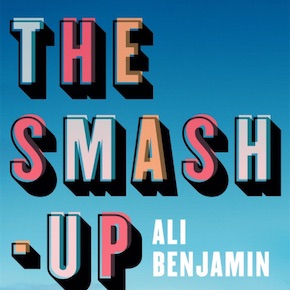
What happened? Everyone asked the question, had been asking since the election. They asked while watching the news, that storm of headlines, jump-cut footage of marches and speeches and hand-sharpied cardboard, an endless, swirling blizzard – a siege, really – of protests and counterprotests, action and reaction, people screaming at one another in the street,...
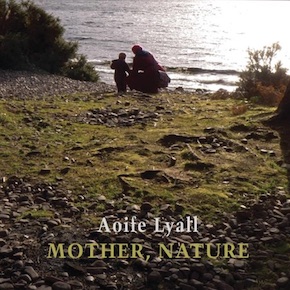
Aoife Lyall’s debut collection Mother, Nature explores the tragic and tender experiences of pregnancy and early motherhood, from antenatal complications and the devastating pain of miscarriage to the overwhelming joy of healthy delivery and healthy infancy. “Nothing prepares you for the loss of a child,” she writes in her prefatory note. “I turned to what...
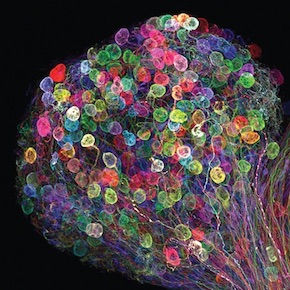
How might poetry help us articulate the body in illness, in work, and in love? Tiffany Atkinson’s fourth collection includes the sequence ‘Dolorimeter’, which won the 2014 Medicine Unboxed Prize. Taking fragments of speech and found text from a hospital residency at Bronglais Hospital in Aberystwyth to pay homage to the inventiveness and humour of...
A brief note on the word, ‘sex’. I find myself avoiding it often. It is an ugly word. Not because it is boorish, but because it is too refined. ‘Sex’ is clinical: sterile, precise, institutional. It comes from the Norman French, originally Latin – what philologists Reneé and Henry Kahane called ‘the status symbol of...
If you’re non-white living in a majority white place or indeed a visible or identifiable ‘foreigner’ in a land, the chances are you will have at some point been told to “go back to your own country”. Especially in 1970s Britain. The people who regularly shouted this none-too-friendly command would most probably not stop and...
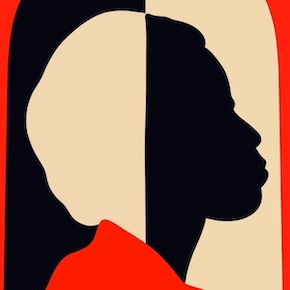
Penguin has pulled together a stunning new list of books by writers who have written about black Britain and the diaspora over the last hundred years. The six launch titles, each with a new introduction by Bernadine Evaristo, range from fast-paced thrillers to historical fiction, and showcase a diverse pool of black writing talent. The...
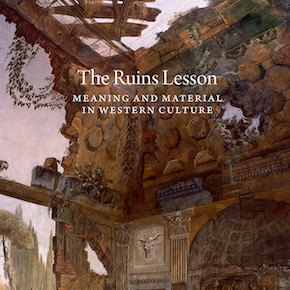
There is something thrilling about a beautiful book – a book whose aesthetic, material presence, and the evocative momentum of its ideas and the words that embody them, seek to touch a reader’s every nerve, even that insubstantial vital centre we call our soul. Susan Stewart’s The Ruins Lesson: Meaning and Material in Western Culture...

Writer and dandy Hector Bisi was born in Belém, in the Brazilian Amazon, and has donned several different hats since, working as an engineer, copywriter and modelling agent. He caused a bit of a stir some years ago with the publication of his debut novel Copacubana, which tells the tale of the owner of a...